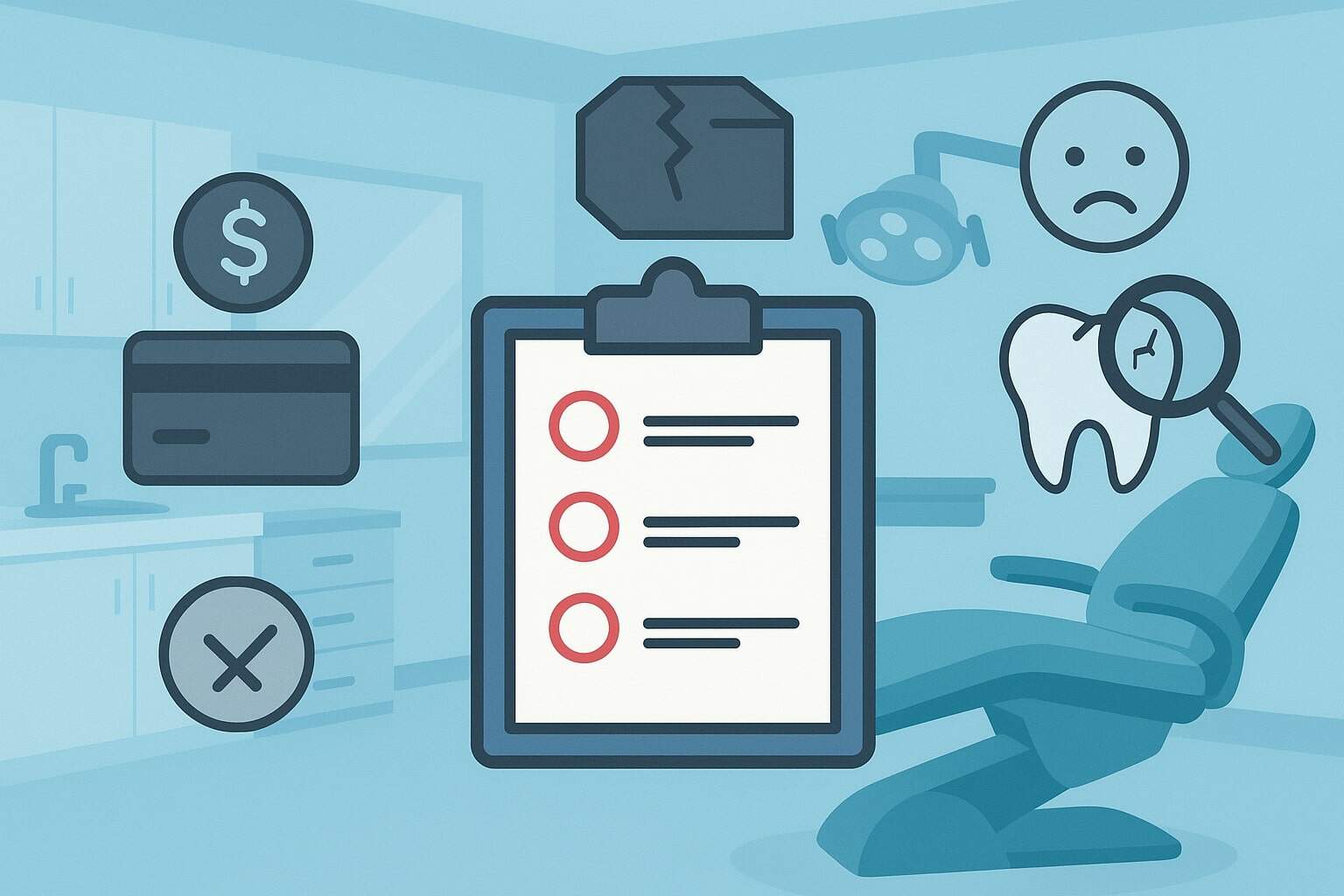
Chargebacks are forced reversals of card transactions initiated by the cardholder through their issuing bank. For dental offices, chargebacks are more than just a loss of revenue. They can lead to penalties from payment processors, damaged reputation with card networks, and extra administrative burden on office staff.
The most common chargeback reasons for dental offices link directly to communication, documentation, and payment workflows. When those break down, patients sometimes call their bank first instead of the practice, which triggers a dispute.
In the U.S. payments environment, chargeback rules are driven by card brands like Visa, Mastercard, American Express, and Discover, as well as by federal and state consumer protection standards.
Dental chargebacks often fall under reason codes like “services not rendered,” “services not as described,” “duplicate transaction,” “no cardholder authorization,” or “credit not processed.” Understanding these categories helps a dental office respond quickly, gather the right documentation, and challenge invalid disputes.
For dental offices, the financial impact of chargebacks goes far beyond the original treatment amount. You also lose chair time, staff time, and may pay additional chargeback fees for each case.
A pattern of excessive disputes can lead to higher processing rates or even account termination. That is why it is critical to understand the most common chargeback reasons for dental offices and to implement clear policies, accurate coding, and strong documentation at every visit.
1. Services Not Rendered or Perceived as Not Rendered

One of the most common chargeback reasons for dental offices is the allegation that services were not rendered. Often, the patient claims they never received the treatment listed on the receipt, or they believe that part of the treatment plan was never completed.
Sometimes the dental office did provide care, but the documentation does not clearly match the description on the statement, creating confusion for the patient and for the issuer reviewing the dispute.
This type of dental chargeback frequently arises in multi-visit treatment plans. For example, a patient may be billed in advance for a series of procedures, such as root canal therapy followed by a crown and final placement.
If the patient stops coming after the first visit or decides to switch providers, they may dispute the full charge, stating that all services were not rendered. If the office never clearly documented what portion was completed versus pending, it becomes harder to defend the chargeback with evidence.
To reduce these specific chargeback reasons for dental offices, it is essential to create detailed clinical and billing notes that match the line items on the receipt. Patients should sign a treatment plan that outlines each visit, estimate of costs per stage, and the fact that some fees are non-refundable after specific services are performed.
At checkout, staff should ensure that the narrative on the receipt or invoice clearly references “completed” services such as “Exam, X-rays, and Prophylaxis on October 25, 2026” rather than vague descriptions. This alignment between charting, billing, and signed consent is often decisive when responding to a “services not rendered” chargeback.
2. Services Not as Described or Unsatisfactory Treatment Outcomes
Another major category among the most common chargeback reasons for dental offices is “services not as described” or dissatisfaction with results. In these disputes, the patient claims that the dental work did not meet expectations, was performed incorrectly, or did not match what was promised.
For example, they may complain about the appearance of veneers, fit of dentures, sensitivity after a filling, or complications following a cosmetic procedure.
From a card network perspective, this is often treated as a “quality of service” dispute. The issuer may allow the cardholder to file a chargeback if they show that they tried to resolve the matter with the dental office and were unsuccessful.
This makes it crucial for dental offices to have a documented process for handling complaints, adjustments, and follow-up care. If you can prove that you offered to correct the issue, provided additional appointments, or followed the agreed-upon treatment plan, you will be in a stronger position when answering these common chargeback reasons for dental offices.
Clear communication at the treatment planning stage is essential. Cosmetic and restorative dentistry is partly subjective, and final results may look different from a patient’s expectations.
Detailed written estimates, before-and-after photos, shade selection forms, and signed acknowledgments about risks and limitations all help reduce dental chargebacks linked to unsatisfactory outcomes.
When you include disclaimers about color variations, healing times, and the need for follow-up visits, you create realistic expectations and a stronger defense if the patient later attempts a chargeback rather than working through your internal resolution process.
3. Misunderstandings About Treatment Plans and Financial Consent
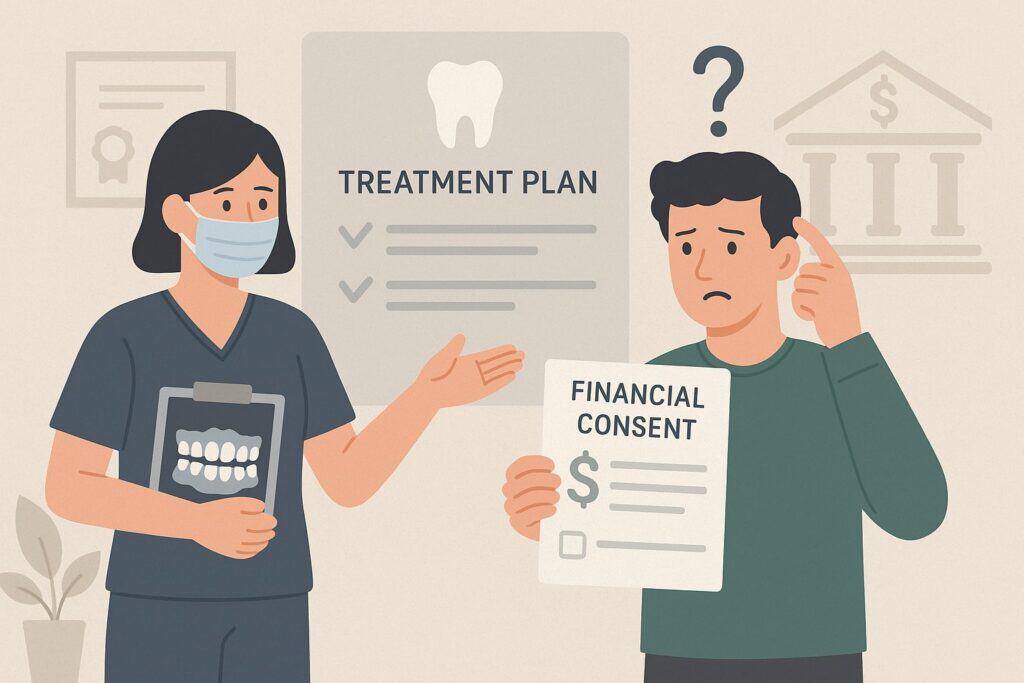
Misunderstandings about treatment plans, consent, and financial responsibility are some of the most preventable chargeback reasons for dental offices. These chargebacks usually occur when patients did not fully understand what procedures were approved, what the estimated total cost would be, or how their insurance benefits applied.
If a patient believes they agreed to a simple filling but the chart shows a crown and build-up, they are more likely to challenge the charge with their bank.
To minimize these dental chargeback reasons, every treatment plan should be explained verbally and documented in writing. Patients should receive a printed or electronic copy with procedure codes (such as CDT codes), estimated fees, and insurance estimates.
They should sign a financial consent form that explains that treatment recommendations are clinical, while insurance determinations are administrative and may change. This documentation should indicate that patients are ultimately responsible for all charges regardless of insurance payment.
It is also important to update treatment plans when changes occur. If a tooth that was scheduled for a simple restoration later requires root canal therapy and a crown, the office should present a revised plan, update the cost estimates, and obtain a new signature or electronic consent.
When offices skip this step, patients may feel blindsided by a higher bill and resort to a chargeback. Clear notes, signed approvals, and transparent communication go a long way toward reducing these common chargeback reasons for dental offices and protecting revenue.
4. Insurance Confusion and Patient Responsibility Balances
In the U.S., one of the most persistent chargeback reasons for dental offices is confusion over insurance coverage and patient responsibility. Patients often assume their plan will pay more than it actually does.
When the Explanation of Benefits (EOB) arrives and shows higher out-of-pocket responsibility, they may dispute the charge, arguing they were overbilled or misled. This is especially common for out-of-network services, annual maximums, waiting periods, or downgraded benefits for certain materials.
Dental offices can reduce these chargebacks by having a robust insurance communication process. Before treatment, staff should verify benefits, explain deductibles, co-insurance, annual limits, and any non-covered services.
The office should clearly state that all insurance information is an estimate and not a guarantee of payment. Having patients sign a financial agreement that spells out these points is crucial for defending against insurance-related chargeback reasons for dental offices.
Once the claim is processed, the office should promptly send statements showing how insurance paid, what adjustments were made, and why a remaining balance is due. The statement should clearly match the claim and EOB so that patients can understand the flow of funds.
If a patient disputes a chargeback claiming “overbilling,” you can supply the treatment plan, signed consent, insurance estimate, EOB, and statement as compelling evidence. This level of transparency helps reduce dental chargebacks tied to insurance confusion and reinforces trust with your patient base.
5. Recurring Payments and Membership/Wellness Plans
Many modern dental practices in the U.S. offer in-house membership plans, wellness programs, or recurring financing arrangements. While these programs can improve patient loyalty and cash flow, they can also introduce new chargeback reasons for dental offices if not managed carefully.
Patients may forget they authorized recurring charges, misunderstand the terms, or believe they can cancel without notice and still receive a full refund.
For recurring billing, card networks require clear consent, including the frequency, amount (or how it will be calculated), and cancellation process. Dental offices should use signed membership agreements that describe what is included in the plan, how payments will be collected, and under what conditions refunds are granted.
Electronic forms should capture explicit authorization for automatic card debits, including the card brand and last four digits. This documentation is critical when defending chargebacks alleging “no authorization” or “canceled recurring transaction.”
To reduce these types of dental chargebacks, send reminders for annual renewals, provide receipts for every recurring charge, and make cancellation easy and transparent. When a patient cancels, promptly stop further billing and confirm the cancellation in writing.
If you continue to debit the card after a cancellation request, the resulting dispute will almost certainly be lost, and your practice will be flagged for problematic recurring billing. By tightening membership plan policies and communication, you can prevent many recurring-related chargeback reasons for dental offices.
6. No Cardholder Authorization or Suspected Fraud
Another category among the most common chargeback reasons for dental offices is “no cardholder authorization.” In these cases, the cardholder claims they did not approve the transaction or that their card was used fraudulently.
This can happen when a spouse, family member, or guardian pays on behalf of the patient, and later the primary cardholder disputes the charge. It can also occur if card data was stolen elsewhere and used to pay a bill over the phone or online.
To minimize fraud-related dental chargebacks, offices should follow best practices for card-present and card-not-present transactions. For in-office payments, always insert or tap EMV/chip cards rather than manually keying them whenever possible.
Ask for a photo ID if something seems suspicious and verify that the name on the card matches the patient or authorized party. For card-not-present transactions, consider secure payment links or patient portals that encrypt card data and collect consent rather than taking full card numbers over the phone.
It is also wise to capture signed receipts or digital signatures on treatment and payment forms, especially for larger procedures. When a chargeback claims “no authorization,” you can respond with signed documents, EMV authorization logs, and appointment records.
These details support the office’s case and help reduce these high-risk chargeback reasons for dental offices. While some fraud disputes cannot be prevented, strong identity verification and documentation significantly lower your exposure.
7. Duplicate Transactions and Billing Errors
Duplicate charges and billing errors remain surprisingly common chargeback reasons for dental offices, even in advanced practice management systems. These disputes occur when a patient’s card is charged twice for the same visit, when the wrong amount is entered, or when a payment is posted to the wrong account.
Patients typically spot these issues when reviewing bank statements and may contact their bank rather than the practice, triggering a dispute.
To avoid duplicate transaction chargebacks, train front-desk staff to carefully review each payment before and after processing. If a terminal times out or appears frozen, verify in the system and with the processor before re-running the card.
Many payment gateways and practice software tools provide transaction logs that can confirm whether a charge went through. Establish a policy that any suspected duplicate is immediately refunded or voided the same day to prevent it from becoming one of the common chargeback reasons for dental offices.
Regular reconciliation of daily batch reports with practice management records is essential. Any discrepancies should be corrected quickly, and patients should receive updated receipts or statements.
When a mistake occurs, proactive outreach to the patient, along with a same-day correction, usually prevents them from escalating the issue to a chargeback. The more disciplined your office is with auditing transactions, the fewer billing-error chargebacks you will face.
8. Refunds Promised but Not Processed
Patients often contact their bank when they feel the dental office did not honor a promised refund. This is another significant source of chargeback reasons for dental offices. The office might have agreed to partially refund a cosmetic case, charge a lower fee after an insurance adjustment, or return a deposit for treatment that was canceled before starting.
If the refund is delayed, processed incorrectly, or not visible on the patient’s statement in a reasonable timeframe, they may dispute the original charge instead.
To reduce these common dental chargebacks, offices should have a written refund policy and a clear internal workflow for processing credits. When issuing a refund, always use the same card that was used for the original charge.
Provide the patient with a written or emailed confirmation showing the refund amount and date. Explain that depending on the card issuer, it may take several business days to appear on the statement. This kind of communication helps avoid misunderstandings that become chargeback reasons for dental offices.
It is also important to document situations where the office decides not to issue a refund because services were already rendered or because the situation falls outside the refund policy. Written policies, signed by patients, should explain non-refundable deposits, lab fees, and other hard costs.
When a chargeback claims that a refund was promised but not processed, you can present call notes, emails, and financial policies to support your position. Timely, accurate refund handling is one of the easiest ways to cut down on preventable disputes.
9. Financing Plans, Third-Party Lenders, and Misaligned Expectations
Dental offices frequently work with third-party financing providers or offer in-house financing options. While these solutions help patients afford treatment, they can also create complex chargeback reasons for dental offices.
Patients may not understand that they are entering into a separate financing agreement, may confuse the lender’s terms with the dental office’s policies, or may not realize when the lender has already funded the office even if the patient later defaults.
To reduce chargebacks in these scenarios, offices should clearly explain the relationship between the patient, the dental practice, and the financing company. Patients should sign both the treatment plan and the financing agreement, with copies provided to them.
Staff should emphasize that once the lender pays the practice, the patient’s financial obligation is to the lender, subject to its terms. If the patient attempts to dispute the charge with their card issuer, strong documentation will show that they authorized the financing and that services were rendered.
When offering in-house financing, the same principles apply. Written agreements should cover interest, payment schedules, consequences of late payment, and any administrative fees. The practice should send regular statements and maintain accurate ledgers.
If a patient files a chargeback claiming they did not agree to financing, the signed agreement, payment schedule, and treatment records become essential evidence. Clear, transparent financing practices are key to minimizing these specific chargeback reasons for dental offices.
10. Administrative and Coding Errors in Dental Billing
Administrative mistakes and coding errors are quieter but very real contributors to the most common chargeback reasons for dental offices.
If procedure codes do not match the services actually performed, or if the narrative is confusing, patients and insurers may question the legitimacy of the charge. In some cases, a miscoded procedure can look like upcoding or overbilling, which may prompt the patient to dispute the transaction with their bank.
To reduce these administrative dental chargebacks, your team should follow current CDT (Current Dental Terminology) coding guidelines and stay updated as codes change annually.
Each procedure should be documented clearly in the clinical notes, and those notes should support the code used. Staff should double-check that the date of service, provider information, and fee schedule are correct before submitting claims and billing patients.
Consistency between the clinical record, claim form, and patient statement is crucial for minimizing chargeback reasons for dental offices.
Internal audits are particularly helpful. Periodically review a sample of charts and billing records to identify patterns of errors, such as wrong tooth numbers, missing narratives, or misapplied fees.
Correcting these issues early not only strengthens compliance but also improves your ability to respond to disputes. When you can show that the coding is accurate and supported by complete documentation, you significantly lower the risk that administrative errors will turn into costly dental chargebacks.
11. How to Prevent Chargebacks in Dental Offices: Best Practices
Understanding the most common chargeback reasons for dental offices is only half the battle; the other half is prevention. A comprehensive chargeback prevention strategy includes staff training, clear communication, robust documentation, and modern payment technology.
Begin by training your front-desk and billing staff on how chargebacks work, what typical disputes look like, and which documents are most important when defending a transaction. When staff understand the stakes, they are more likely to follow procedures that reduce dental chargebacks.
Next, focus on patient communication. Provide written treatment plans, financial policies, and insurance disclaimers that are easy to read and signed by the patient. Reinforce verbally what patients are signing, especially for high-cost procedures and cosmetic treatments.
Send appointment reminders and follow-up messages that reiterate what was done and what was charged. When patients feel informed at every step, they are less likely to bypass the office and go straight to their bank if something seems off.
Technology also plays a big role in reducing chargeback reasons for dental offices. Use integrated practice management and payment systems that produce clear receipts, store digital signatures, and maintain detailed logs of every transaction.
Implement secure online portals for payments and consent forms, and take advantage of features such as EMV chip acceptance, tokenization, and recurring billing tools with built-in compliance.
Finally, monitor your chargeback ratio regularly, identify recurring patterns, and adjust your policies in response. The more proactive your dental office is, the fewer chargebacks you will face over time.
12. Responding to Chargebacks: Documentation and Dispute Management
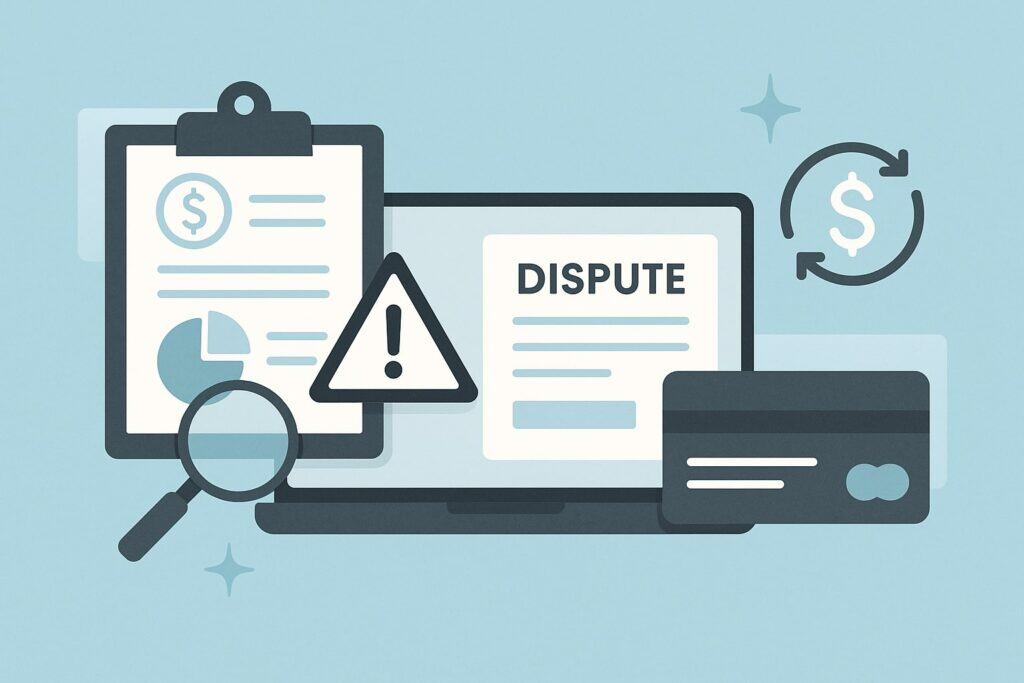
Even with strong prevention, some disputes will still arise. When they do, the way your dental office responds can determine whether you keep or lose the revenue.
Effective dispute management starts with understanding that each card network and processor has specific timelines and documentation requirements. If you miss a deadline or submit incomplete evidence, the chargeback is more likely to be decided in the cardholder’s favor, regardless of the facts.
To fight the most common chargeback reasons for dental offices, assemble a standard “evidence package” template that staff can quickly customize.
This might include the patient’s signed treatment plan, financial consent, membership or financing agreement, appointment records, clinical notes, receipts, proof of EMV authorization, insurance EOBs, and any emails, text messages, or call notes relevant to the case.
For disputes about services not rendered, include chart entries and notes about completed visits. For quality-of-care disputes, include documentation showing follow-up care offered or accepted.
Communication is also important. When a patient files a chargeback, try to reach out and resolve the matter directly. Sometimes a reasonable compromise or partial refund can persuade the cardholder to withdraw the dispute, especially when the issue centers on expectations or communication rather than fraud.
Meanwhile, track every chargeback reason code you receive so you can see which chargeback reasons for dental offices appear most often in your practice. Over time, use this data to refine your policies and staff training. A structured, documented approach to dispute management will significantly improve your win rate and protect your practice’s bottom line.
13. Compliance, Privacy, and Record-Keeping Considerations
Because dental offices operate in a highly regulated environment, chargeback management must align with privacy and compliance obligations. When responding to disputes, practices must protect patient privacy under HIPAA while still providing enough detail to defend the transaction.
This balance adds complexity to handling the most common chargeback reasons for dental offices. Typically, practices can share relevant information with their payment processor and card networks as part of payment operations, but should avoid unnecessary disclosure of sensitive clinical details.
Record-keeping is critical. Dental offices should maintain secure electronic records of treatment plans, consent forms, clinical notes, and payment documents for the duration required by state law and professional guidelines.
These records form the backbone of your defense against dental chargebacks. Store them in a system with access controls, audit trails, and regular backups. When staff retrieve documents to respond to chargebacks, they should follow internal privacy policies and only share what is needed.
Compliance also extends to payment security standards such as PCI DSS. Using PCI-compliant payment solutions, encrypting card data, and avoiding unsecure storage of card numbers reduces the likelihood of data breaches and fraud-related disputes.
As you refine your strategy to address chargeback reasons for dental offices, periodically review your privacy and security practices with legal or compliance advisors. This ensures that your approach is both effective and compliant with U.S. regulations and professional standards.
Frequently Asked Questions (FAQs)
Q1. What are the most common chargeback reasons for dental offices?
Answer: The most common chargeback reasons for dental offices include claims that services were not rendered, services were not as described, misunderstandings about treatment plans, insurance confusion, recurring billing disputes, no cardholder authorization, duplicate transactions, and refunds that were promised but not processed.
Administrative errors and financing misunderstandings also play a role. In many cases, these dental chargebacks could be prevented with better communication, accurate documentation, and tighter billing procedures. By tracking which reasons appear most often in your own practice, you can tailor training and policies to address those specific risks.
Q2. How can dental offices prevent chargebacks related to insurance?
Answer: To prevent insurance-related chargeback reasons for dental offices, focus on education and transparency. Verify benefits before treatment, explain deductibles and coverage limits, and document that all insurance information is an estimate.
Have patients sign a financial policy stating they are responsible for any portion not covered by insurance. After the claims process, send clear statements showing how insurance paid and what remains due.
When disputes arise, you can present the treatment plan, signed financial agreement, EOB, and statements as evidence. This approach reduces confusion and strengthens your position in any dental chargeback tied to insurance disputes.
Q3. What documentation is most helpful when fighting a dental chargeback?
Answer: The best documentation to counter the most common chargeback reasons for dental offices includes signed treatment plans, financial consent forms, membership or financing agreements, appointment records, clinical notes, itemized receipts, EMV authorization logs, and insurance EOBs.
For disputes about quality of care, include notes on follow-up visits and efforts to resolve the issue. For recurring billing disputes, provide the signed authorization and any cancellation communications.
The goal is to show that the patient agreed to the treatment and charges, that services were provided, and that the office acted in good faith. Organized, complete records significantly increase your odds of reversing a dental chargeback.
Q4. How do recurring payments and membership plans create chargeback risk?
Answer: Recurring payments and membership plans introduce specific chargeback reasons for dental offices when patients forget they enrolled, do not understand the terms, or believe they can cancel at any time without penalties.
If charges continue after a cancellation request, or if plan benefits are unclear, patients may file disputes for “no authorization” or “canceled recurring transaction.”
To reduce these dental chargebacks, obtain clear written consent, send regular receipts, communicate renewal dates, and make cancellation easy. When a dispute occurs, present the signed membership agreement, payment history, and any cancellation confirmations as evidence.
Q5. What can a dental office do if a patient is simply unhappy with the results?
Answer: When patients are dissatisfied with treatment outcomes, it is important to address their concerns quickly and professionally. Offer to evaluate the work, explain clinical findings, and propose reasonable corrective options.
Document all discussions and follow-up visits in the chart. While some patients may still attempt a chargeback, many will appreciate the opportunity to resolve the issue directly. Detailed treatment plans, consent forms that explain expectations and limitations, and photos can help prevent these quality-of-care chargeback reasons for dental offices.
When you do need to respond to a dispute, these records demonstrate that you provided services as described and attempted to reach a fair resolution.
Conclusion
The most common chargeback reasons for dental offices are not mysterious; they follow predictable patterns tied to communication gaps, documentation issues, billing errors, and mismatched expectations.
By recognizing these patterns—services not rendered, unsatisfactory outcomes, insurance confusion, recurring payment disputes, unauthorized transactions, duplicate charges, and refund problems—your practice can take concrete steps to reduce dental chargebacks and protect revenue.
A proactive strategy combines clear patient education, detailed written policies, accurate coding, and secure payment technology. Every treatment plan, financial agreement, and membership contract should be easy to understand and signed by the patient.
Staff should be trained to explain insurance estimates, process refunds promptly, avoid duplicate charges, and gather all necessary documentation. When disputes do occur, a structured process for quickly assembling evidence and responding within deadlines can significantly improve your win rate.
Ultimately, managing chargeback reasons for dental offices is about reinforcing trust. Patients who feel informed, respected, and supported are far less likely to bypass your team and go straight to their bank.
By investing in prevention, documentation, and thoughtful dispute management, your dental office can reduce chargebacks, strengthen patient relationships, and maintain a healthier financial foundation in the competitive U.S. dental care market.